Research notebook / Methods
Three ways of asking one question
Field observations, laboratory experiments and numerical models bring different perspectives to geological deformation.
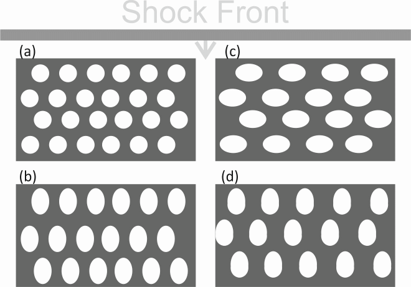
How do we investigate an event that has already happened? The group's laboratory description brings together field studies, experiments and modelling. These approaches do different jobs, but they can address related questions.
Observe the record
Field studies begin with the rocks and structures available to investigate. The group also uses microstructural, spectral and magnetic techniques to examine materials more closely. Each approach offers a particular view of the evidence.
Explore a controlled setting
High-speed deformation experiments allow the group to investigate materials under specified conditions. The experimental movies on this website are accompanied by their material and projectile parameters, preserving the context for what is shown.
Examine a model
Mathematical modelling and hydrocode simulations provide another perspective. The project collection includes work on shock attenuation in layered targets, alongside studies of impact structures and other geological settings.
A model and an observation are not interchangeable. Reading them together means keeping track of the question, the conditions and what each result represents.
Continue exploring
Browse the projects and publications for the group's detailed work. This overview draws on the laboratory introduction and the source project descriptions.
← Back to the notebookKeep exploring
A different perspective.
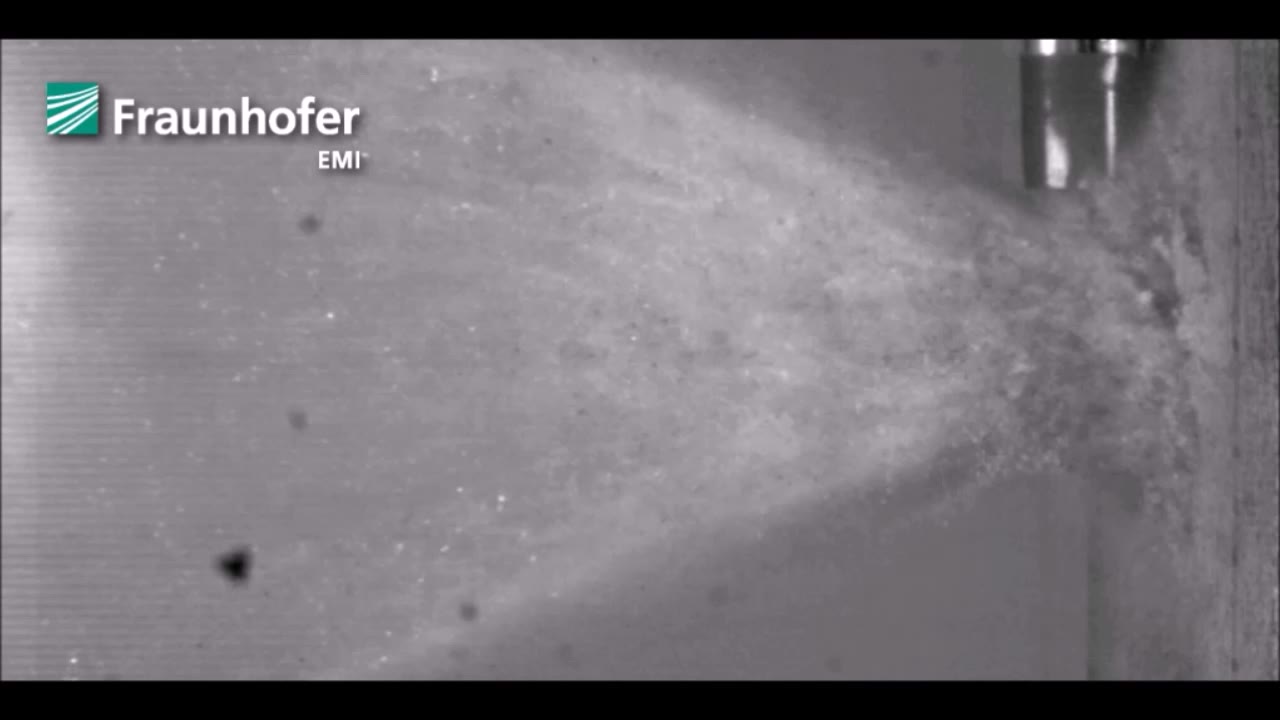
Inside an impact experiment
A closer look at the laboratory footage—and the conditions that give each frame its meaning.
Read the story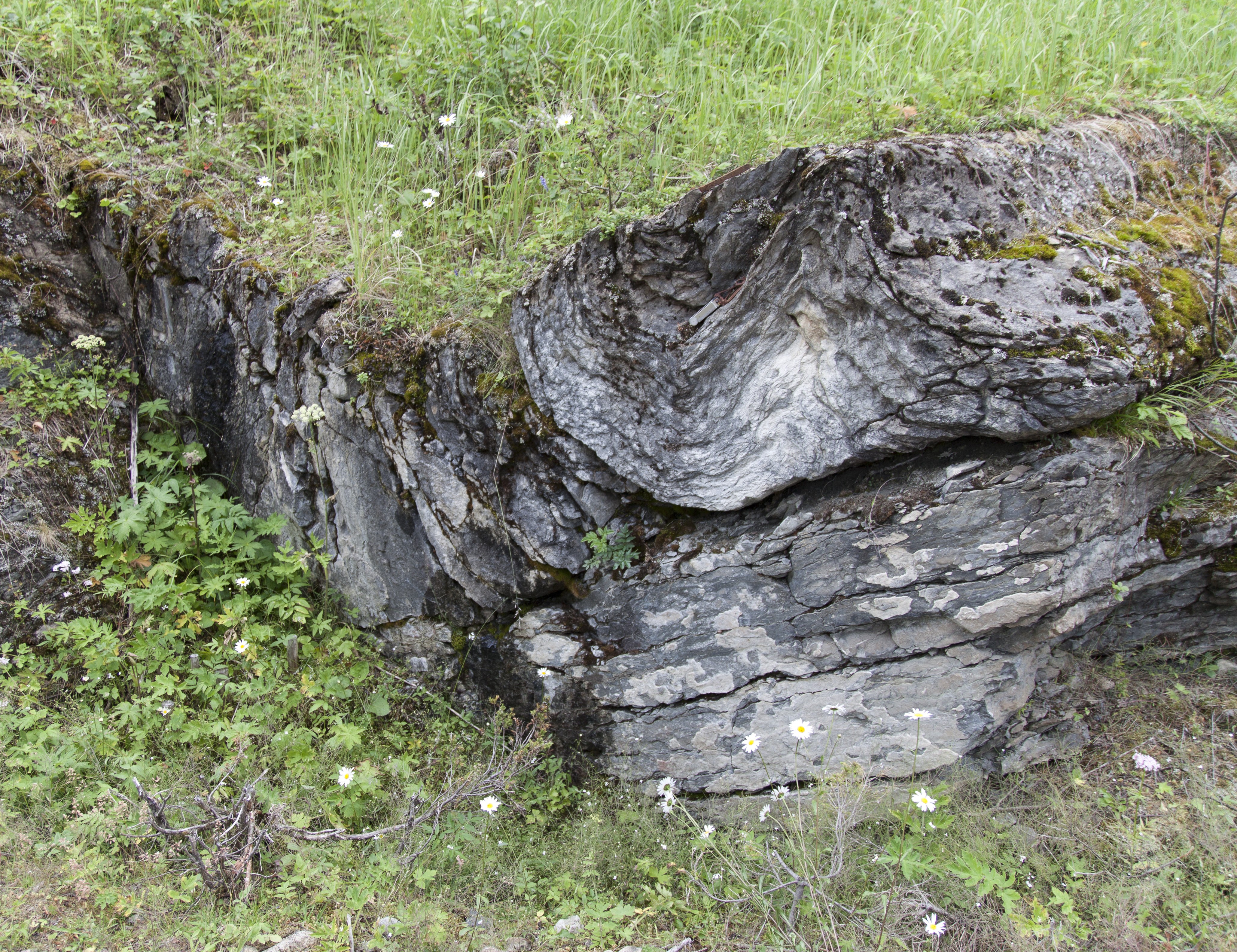
What a rock can remember
An impact lasts a moment. The structures it leaves behind open a much longer story.
Read the story